Student athletics are a longstanding and valued part of undergraduate education. For many students, participation in sports provides structure, discipline, teamwork, and a sense of belonging that enriches the overall college experience. Athletic programs also contribute to campus identity and, in many institutions, play a role in student recruitment and retention. Research frequently cited in discussions of athletics and academics suggests that student-athletes often perform at least as well as, and sometimes slightly better than, their non-athlete peers. For example, one study reported average GPAs of 3.56 for athletes compared with 3.40 for non-athletes, while another college-level study found athletes averaging 3.46 compared with 3.17 among non-athletes.Ref. These findings suggest that athletic participation can coexist with academic success. At the same time, these conclusions are often presented too broadly. Most studies examining academic outcomes among athletes are correlational rather than causal.
The financial challenges of higher education are magnified for international students, who often face higher tuition rates, additional living costs, and restrictions on employment during study.
In the first two parts of this series, we explored scholarships for traditional undergraduates in the U.S. (Part 1) and for international students (Part 2), highlighting the many ways that financial support can shape access to higher education.
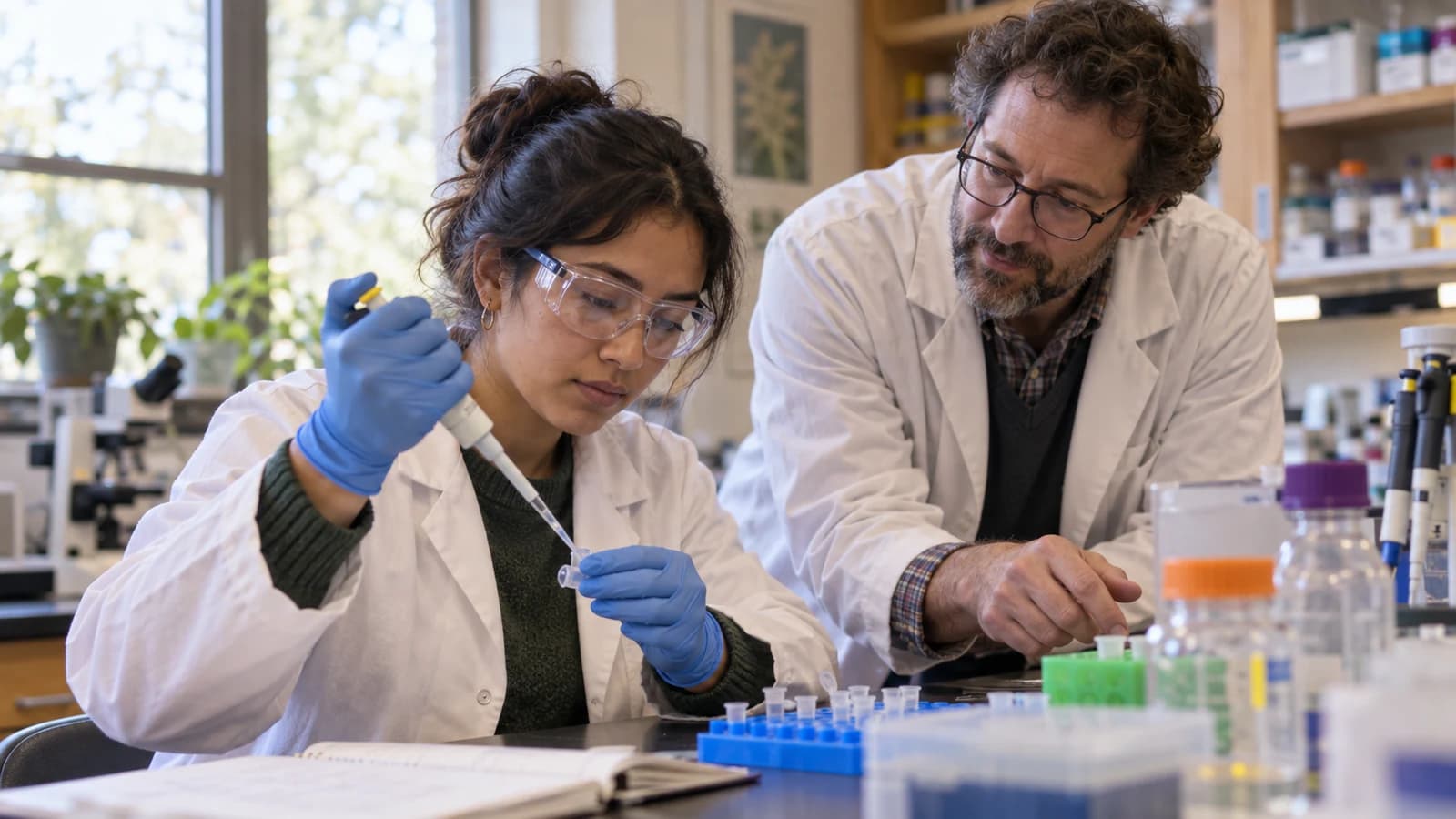
How undergraduate research builds practical skills, strengthens future opportunities, and gives students at primarily undergraduate institutions a distinctive advantage.
The journey to a bachelor’s degree is often shadowed by financial worry: rising tuition, increasing living costs, and the worries of future long-term debt looming over students and families.
 PUI Connect