Program closure requires more than counting majors: a defensible review weighs enrollment trends, avoidable costs, academic interdependence, governance, and institutional mission.
Student athletics are a longstanding and valued part of undergraduate education. For many students, participation in sports provides structure, discipline, teamwork, and a sense of belonging that enriches the overall college experience. Athletic programs also contribute to campus identity and, in many institutions, play a role in student recruitment and retention. Research frequently cited in discussions of athletics and academics suggests that student-athletes often perform at least as well as, and sometimes slightly better than, their non-athlete peers. For example, one study reported average GPAs of 3.56 for athletes compared with 3.40 for non-athletes, while another college-level study found athletes averaging 3.46 compared with 3.17 among non-athletes.Ref. These findings suggest that athletic participation can coexist with academic success. At the same time, these conclusions are often presented too broadly. Most studies examining academic outcomes among athletes are correlational rather than causal.
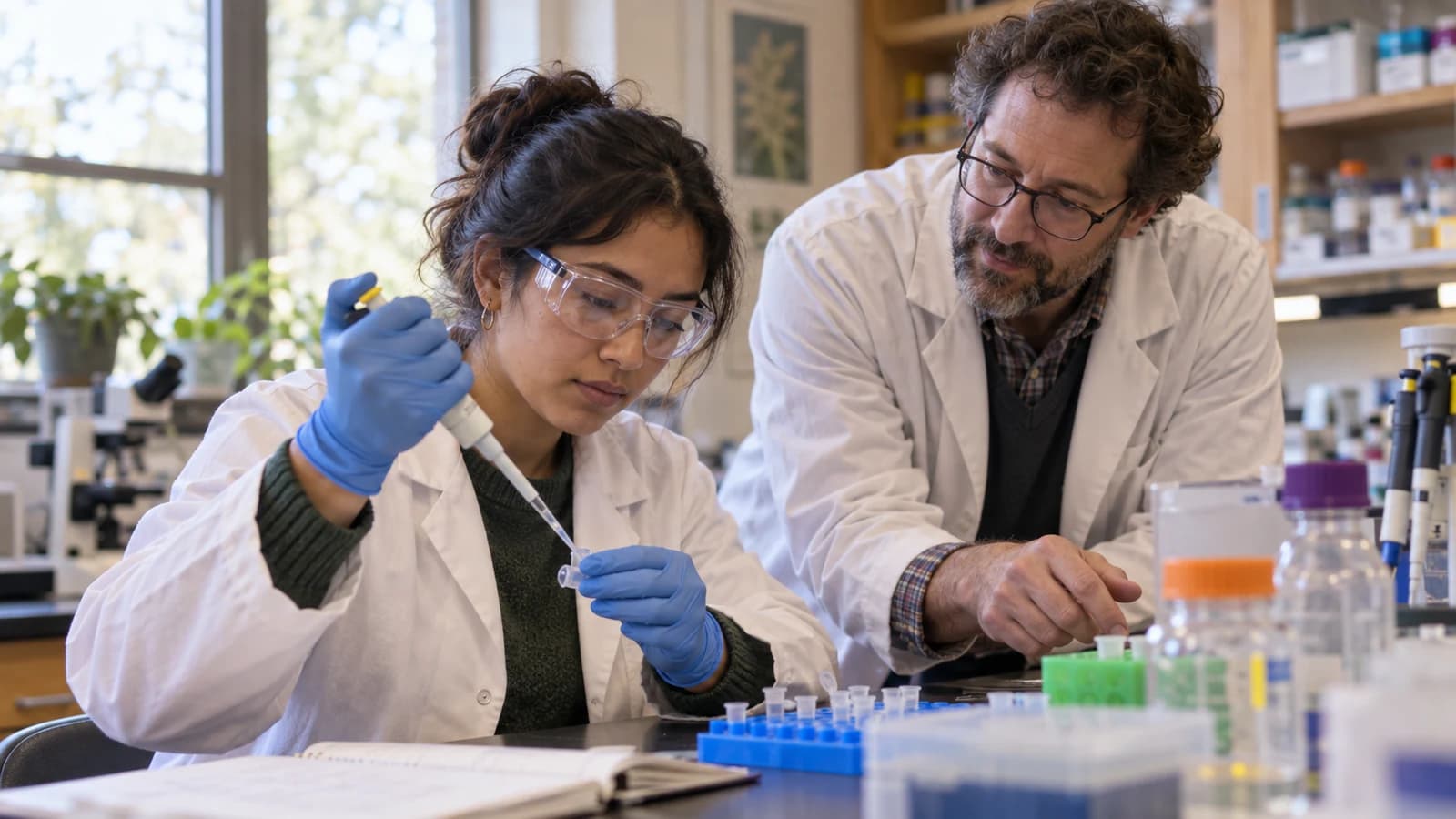
How undergraduate research builds practical skills, strengthens future opportunities, and gives students at primarily undergraduate institutions a distinctive advantage.
With his re-election, President Trump has brought into focus his administration’s aim to reduce the federal government’s role in education, this time with increased momentum. Central to this effort is the proposal to eliminate or significantly scale back the U.S. Department of Education (DoE). While such an overhaul has yet to materialize into law, policy outlines and public statements make it clear that the Department is under direct political threat. In this article, we provide an update on the current status of those efforts, outline the broader implications for American higher education, and discuss in particular how Primarily Undergraduate Institutions (PUIs) may be disproportionately affected by such structural changes.
If you're a graduate student or postdoc considering a teaching-focused academic career, there's a good chance you've heard of Primarily Undergraduate Institutions, or PUIs. These institutions play a critical yet often under-discussed role in the American higher education system. In this first part of a two-part article series, we break down what PUIs are, why they matter, and how you can launch a successful faculty career at one.
 PUI Connect